
Supplier & stockist · Busbars & Nickel Strip
Nickel Busbar Strip & Coil
Nickel Busbar in strip and coil to ASTM B162 from Ramani Steel House, manufacturer and supplier in Mumbai since 1974. Request current sizes, stock and pricing.
Nickel Busbar is a pure nickel interconnect for lithium-ion cells. It is supplied to ASTM B162 in strip and coil. Ramani Steel House supplies it from Mumbai, India — from stock and against order, cut to size, with the mill test certificate for the heat supplied.
Page last updated .
Pure nickel interconnect for lithium-ion cells, punched to the centre distance of the pack layout. Nickel is used rather than copper at the cell tab because it spot welds cleanly to the can and resists the corrosion that would otherwise form at the joint.
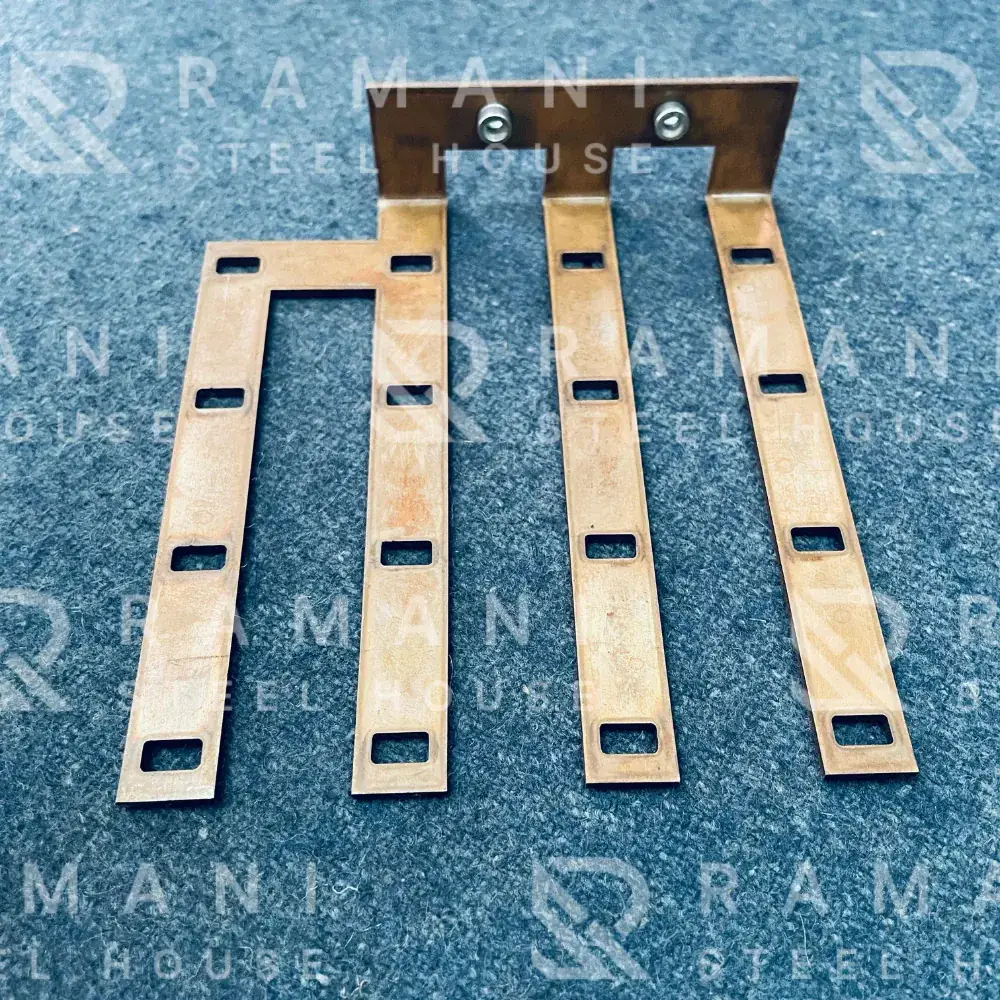
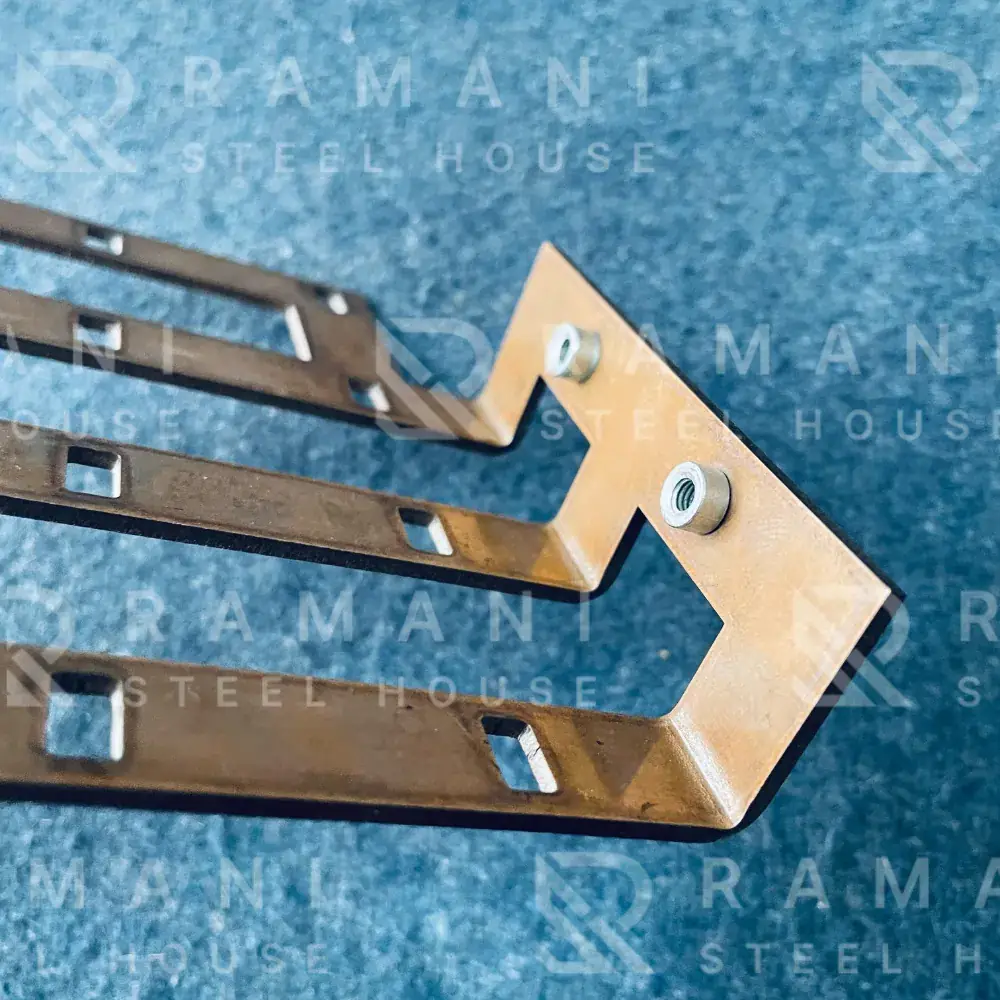
Nickel Busbar supply information
| Grade | Nickel Busbar |
|---|---|
| Standards | ASTM B162ASME SB-162 |
| Material family | Busbars & Nickel Strip |
| Forms | Strip · Coil |
| Processing | Stamping · Punching · Laser Cutting · Waterjet Cutting · Slitting · Shearing · Band Saw Cutting |
| Traceability | Mill test certificate with every order · AS9120:2018 certified |
| Supplied as | Supplier · Stockist · Stockholder · Distributor · Importer · Exporter — Mumbai, India |
| Availability | Ex-stock and against order — confirmed on enquiry |
| Cut to size | Stamping · Punching · Laser Cutting · Waterjet Cutting — no minimum length |
Chemical composition, mechanical properties and dimensional tolerances are supplied against the applicable standard with each order. Ask us for the datasheet and test certificate for the exact form and size you need.
Also specified as
- Nickel Busbar Strip
- Nickel Busbar Coil
- Nickel Busbar Plate
- ASTM B162
- ASME SB-162
The same material under the names and designations buyers order it by. Quote any one of them and we will supply against it.
Nickel Busbar sizes
Size ranges recorded in our own product listings. Availability changes constantly — send your requirement and we will confirm what is in stock against it.
| Form | Thickness (mm) | Width (mm) | Length (mm) |
|---|---|---|---|
| Strip | 0.15 – 0.20 | 25.5 – 187.5 | Cut to pack length |
| Coil | 0.15 – 0.20 | 27.3 – 76.5 | Continuous |
Nickel Busbar applications
- EV battery packs
- Cell-to-cell interconnection in 18650, 21700, 26650, 32650 and 32700 formats, in 2P, 3P and 4P configurations.
- Energy storage
- Stationary storage modules where joint resistance over thousands of cycles decides pack life.
- Solar storage
- Battery banks assembled from cylindrical cells.
- Power tools & e-mobility
- Compact packs where the strip pattern has to carry current in a tight footprint.
Nickel Busbar inspection & test certificates
AS9120:2018
The aerospace standard written specifically for stockist distributors. It covers traceability, counterfeit-part prevention and records retention — the controls an aerospace buyer audits before approving a supplier.
Download certificate (PDF)ISO 9001:2015
The general quality management standard, covering how orders, inspection and non-conformances are controlled.
Download certificate (PDF)
Material is supplied with its mill test certificate, reporting the chemistry and mechanical properties of the heat you receive — which is what the limits in the tables above are checked against. If your order needs third-party inspection, additional testing or a specific certificate type, say so with the enquiry and we will confirm what we can arrange before you order.
Nickel Busbar — frequently asked
- Which nickel strip thickness should I use?
- We produce at 0.15 mm and 0.20 mm. Thicker strip carries more current and runs cooler, but needs more spot-welding energy and is less forgiving of electrode wear. The right choice depends on the current each parallel group has to carry, so send us the pack configuration and the continuous discharge you are designing for.
- What is the difference between a fuse and a no-fuse strip pattern?
- A fuse pattern has a deliberately narrowed section at each cell tab, so that a single failed cell burns its own link open instead of drawing current from the rest of the parallel group. A no-fuse pattern carries more current but offers no such protection. Zig-zag and honeycomb variants of both are produced.
- Can you punch nickel strip to our own cell spacing?
- Yes. The strips are punched to a centre distance, and we hold tooling across a range from 18.5 mm to 34.5 mm. Send the cell format, the centre distance and the parallel count and we will confirm whether it runs on existing tooling or needs a new die.
Know your exact specification?
Send the grade, form, dimensions and quantity and we will quote against it directly.
Send a detailed enquiry →