
Industries
Stainless Steel and Alloys for Pharmaceutical Process Plant
Hygienic-grade stainless steel and nickel alloys for process vessels, piping and clean-in-place systems.
Pharmaceutical process equipment has to survive aggressive cleaning and variable chemistries without contaminating product. Low-carbon austenitic stainless is the workhorse; higher alloys take over where chlorides or reactive chemistries exceed it.
Grades commonly specified for Pharmaceutical
The final choice always depends on the service conditions. Each grade links to its full specification.
- Stainless Steel 316LS31603Hygienic vessels and piping; low carbon avoids sensitisation when welded.
- AL-6XNN08367High-chloride clean-in-place systems where 316L would pit.
- Hastelloy C22N06022Reactors exposed to aggressive and changing chemistries.
- Hastelloy C276N10276Process equipment handling reducing acids.
- Titanium Grade 2R50400Chloride-bearing process equipment.
Pharmaceutical material photographs
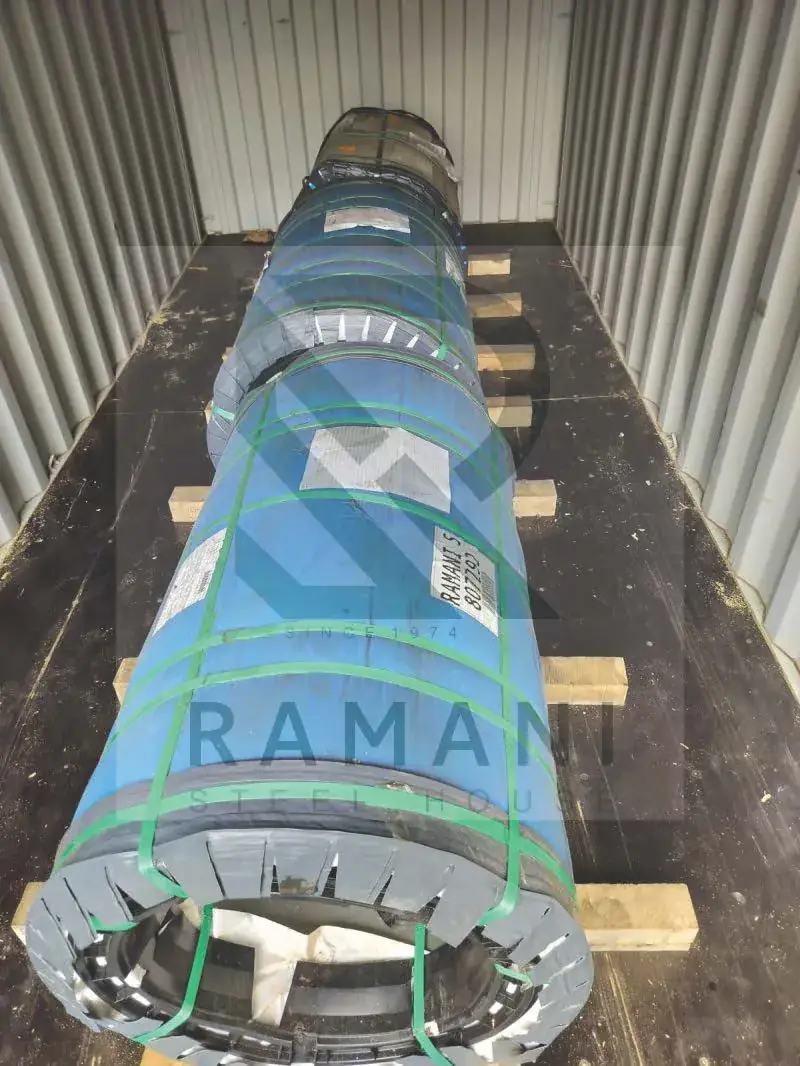
Material families for Pharmaceutical
Stainless Steel
Austenitic stainless steel in the 300 series, including the low-carbon, high-carbon and stabilised grades used across process and construction industries.
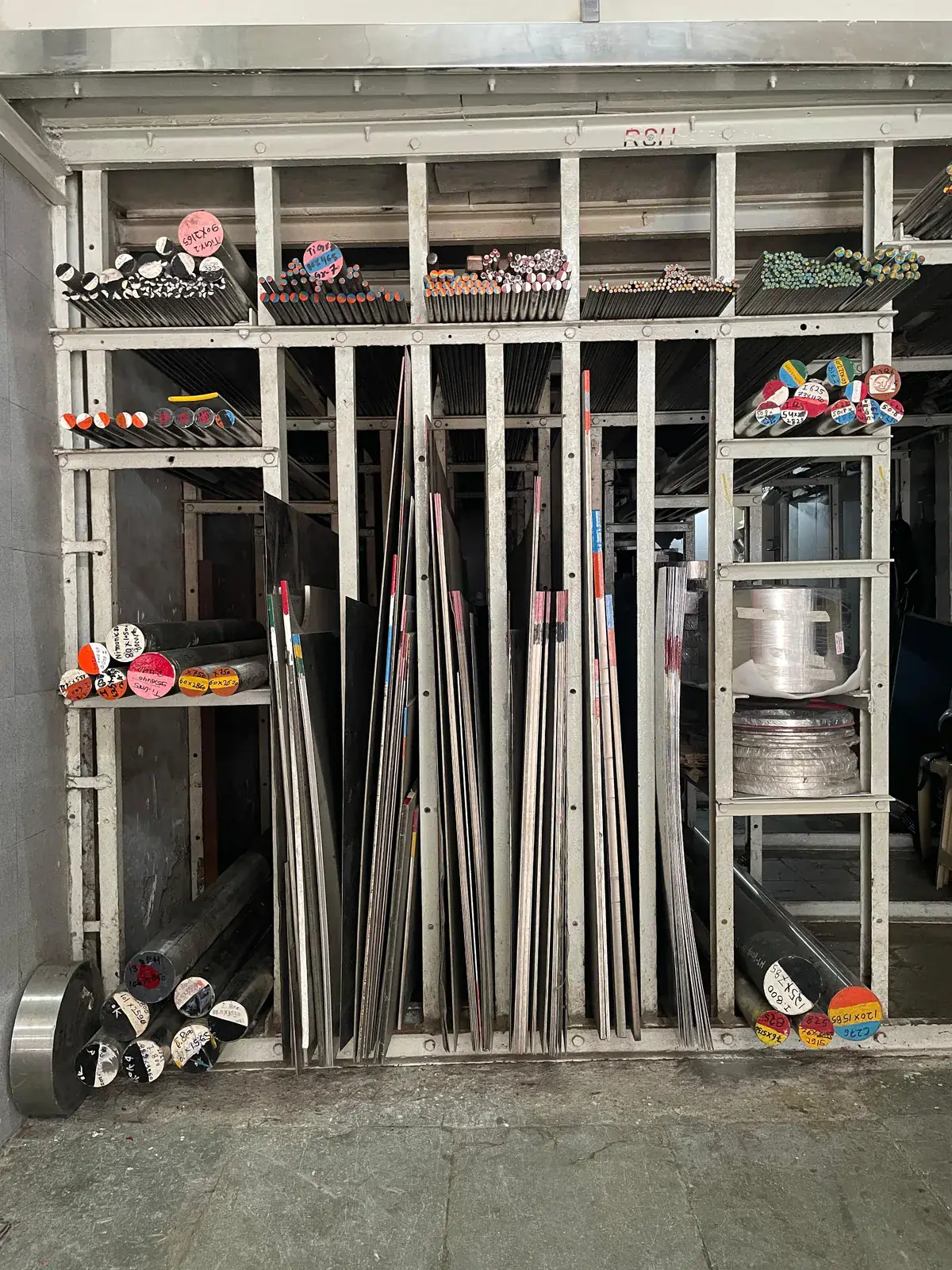
6Mo Stainless Steel
Super-austenitic 6-molybdenum stainless steel for seawater, desalination and high-chloride duty where 316L is not sufficient.
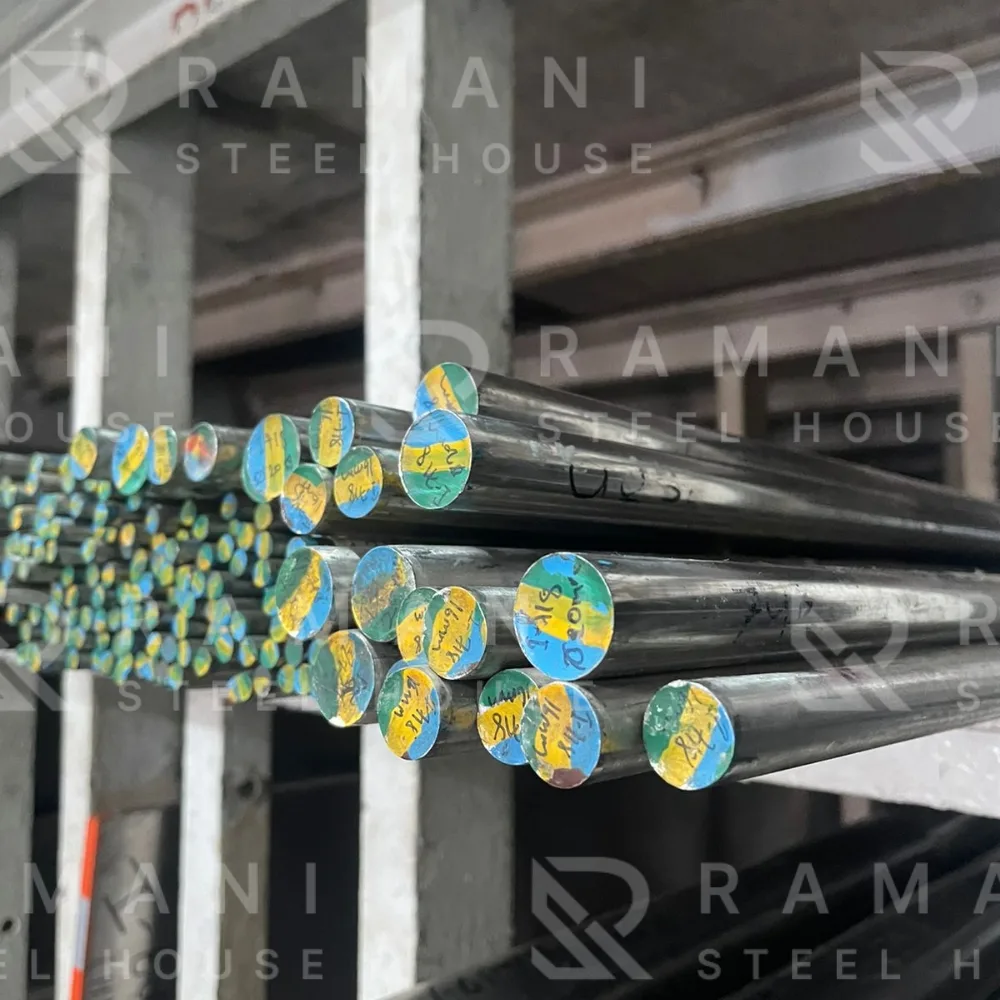
Nickel Alloys & Super Alloys
Nickel-based alloys and super alloys for high-temperature and corrosive service, covering the Inconel, Incoloy, Monel, Hastelloy and Nimonic families.
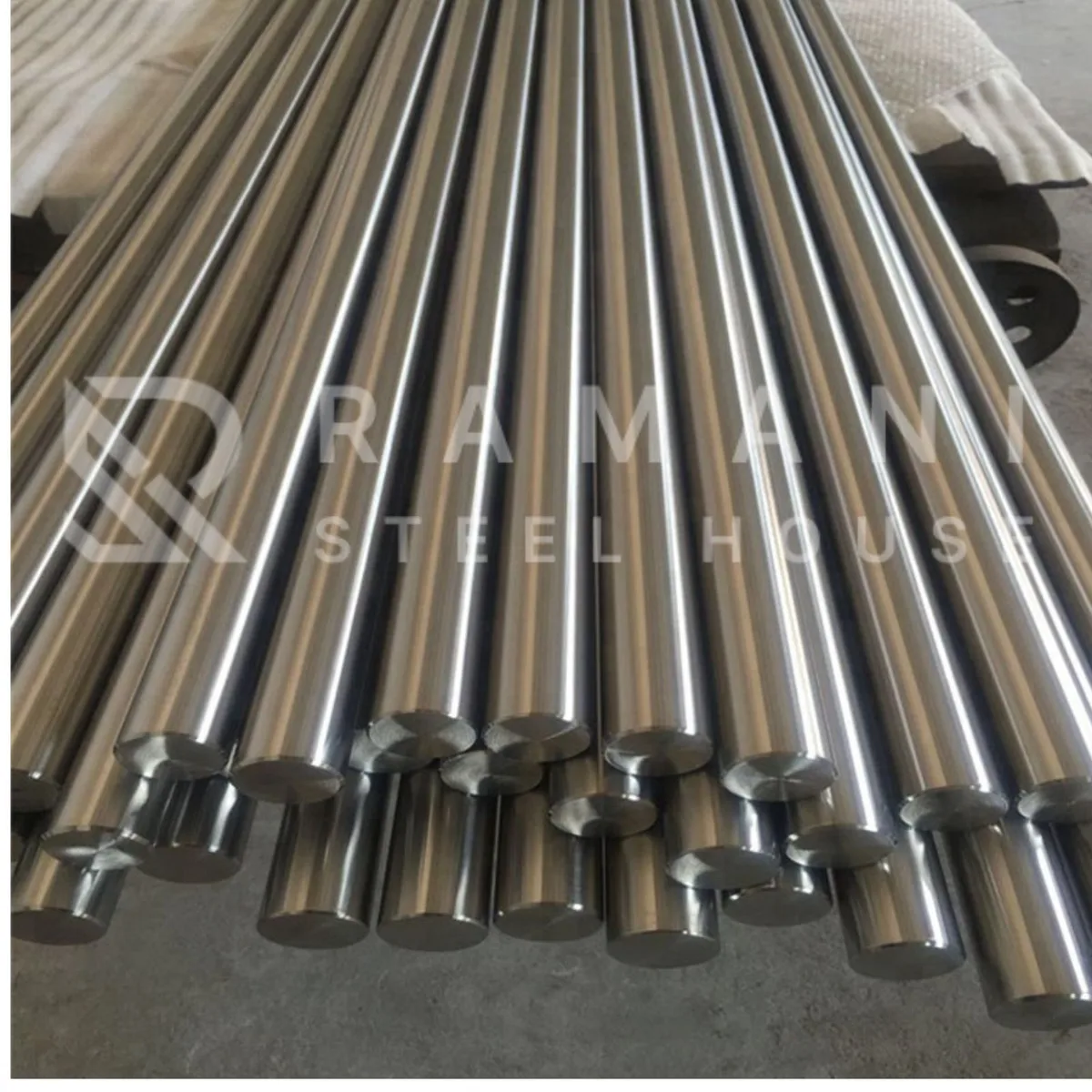
Titanium & Titanium Alloys
Commercially pure titanium and titanium alloys from Grade 1 through Grade 23, for aerospace, chemical processing and medical applications.
Forms supplied
Sheets, Plates, Coil, Round Bars, Flat Bars, Pipes, Tubes, Wires, Precision Strip Coils.
Processing
Stamping, Punching, Laser Cutting, Waterjet Cutting, Slitting, Shearing, Band Saw Cutting.
Pharmaceutical — frequently asked
- Why is 316L specified instead of 316 for pharmaceutical equipment?
- Carbon. 316L holds carbon to a low level, which prevents chromium carbides forming at grain boundaries in the heat-affected zone when the equipment is welded. That keeps the weld zone as corrosion resistant as the parent metal.
Get pricing
Pharmaceutical enquiry
Tell us the grade, form and quantity, or describe the service conditions and we will suggest options.