
Industries
Corrosion-Resistant Alloys for Chemical Processing
Corrosion-resistant alloys for reactors, heat exchangers and piping in acid and chloride service.
In chemical plant the process medium decides the alloy. Whether the environment is oxidising or reducing, how much chloride it carries and how hot it runs separate a grade that lasts decades from one that fails in months.
Grades commonly specified for Chemical
The final choice always depends on the service conditions. Each grade links to its full specification.
- Hastelloy C276N10276Reactors and heat exchangers in reducing and mixed acids.
- Hastelloy C22N06022Mixed oxidising and reducing streams, and oxidising chlorides.
- Incoloy 825N08825Sulphuric and phosphoric acid service at lower cost than the Hastelloy grades.
- Titanium Grade 2R50400Chloride and oxidising-acid service, heat exchangers and vessels.
- Titanium Grade 7R52400Hot dilute reducing acids where Grade 2 would corrode.
- Nickel 201N02201Hot caustic evaporators and concentrators above about 315 °C.
- Alloy 20N08020Sulphuric acid handling equipment.
- 904LN08904Sulphuric and phosphoric acid duty where 316L is not enough.
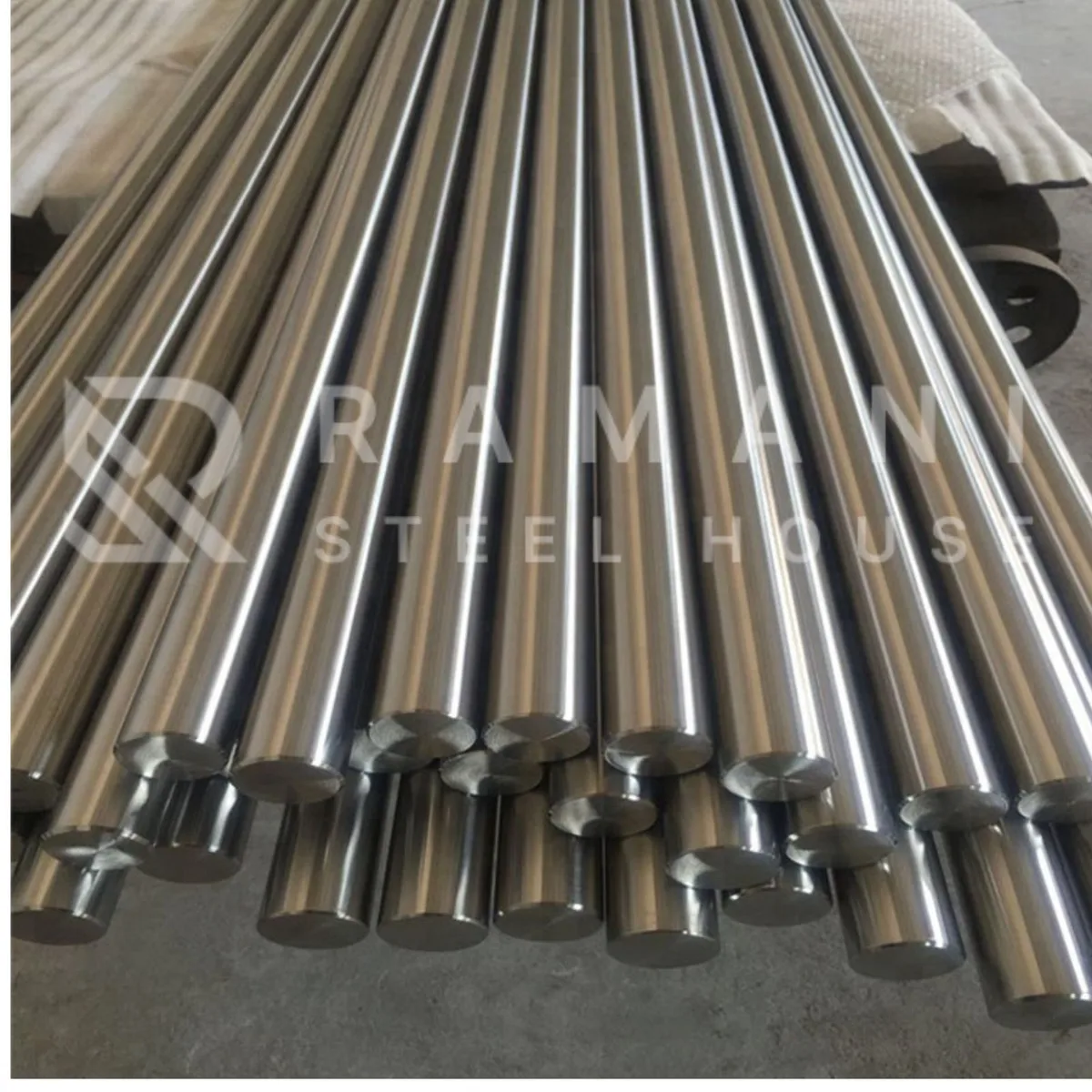
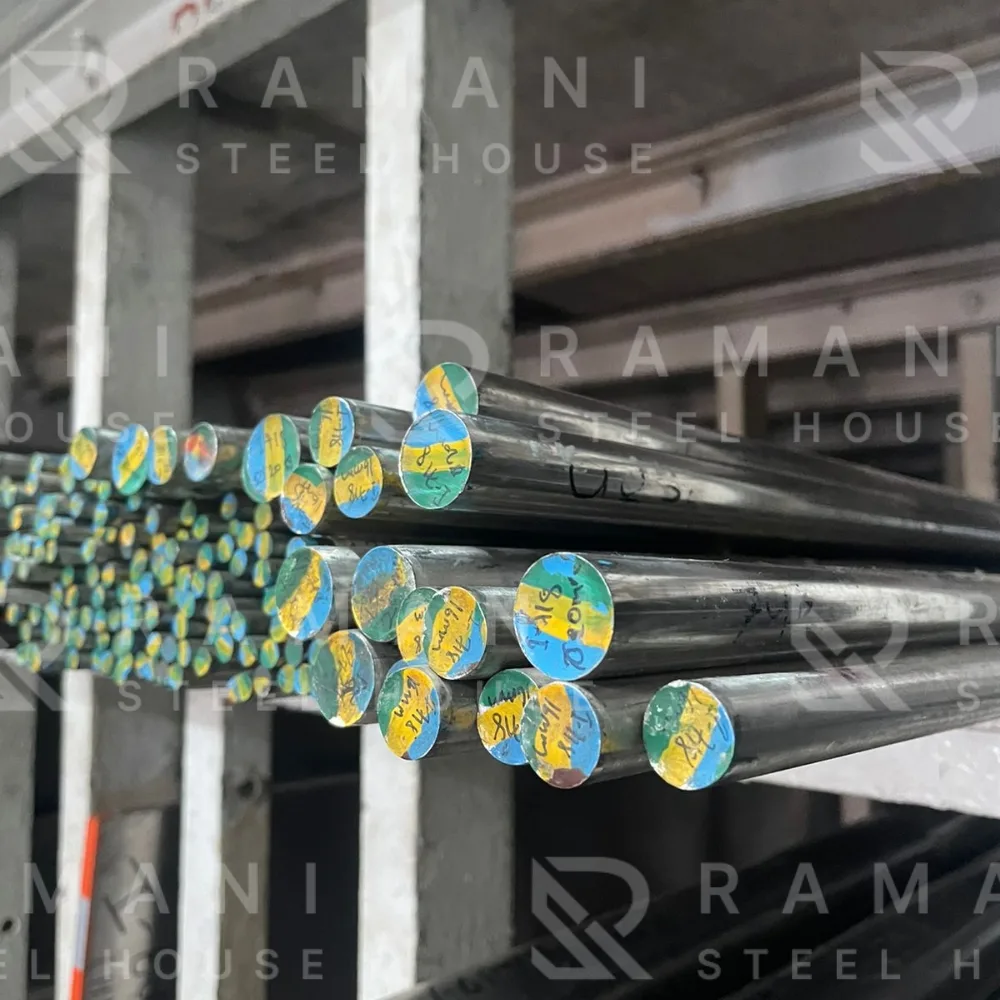
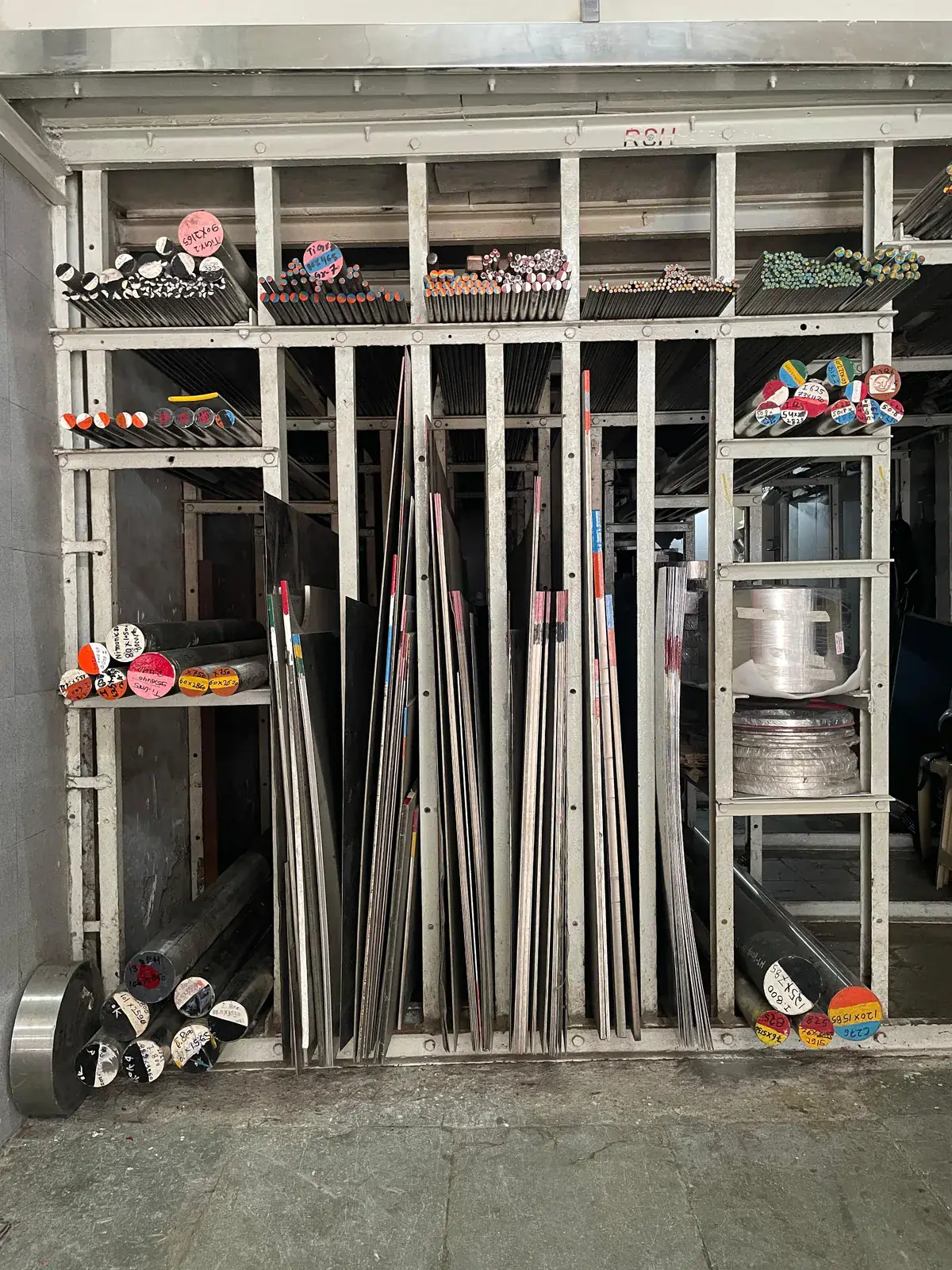
Chemical material photographs
Material families for Chemical
Nickel Alloys & Super Alloys
Nickel-based alloys and super alloys for high-temperature and corrosive service, covering the Inconel, Incoloy, Monel, Hastelloy and Nimonic families.
Titanium & Titanium Alloys
Commercially pure titanium and titanium alloys from Grade 1 through Grade 23, for aerospace, chemical processing and medical applications.
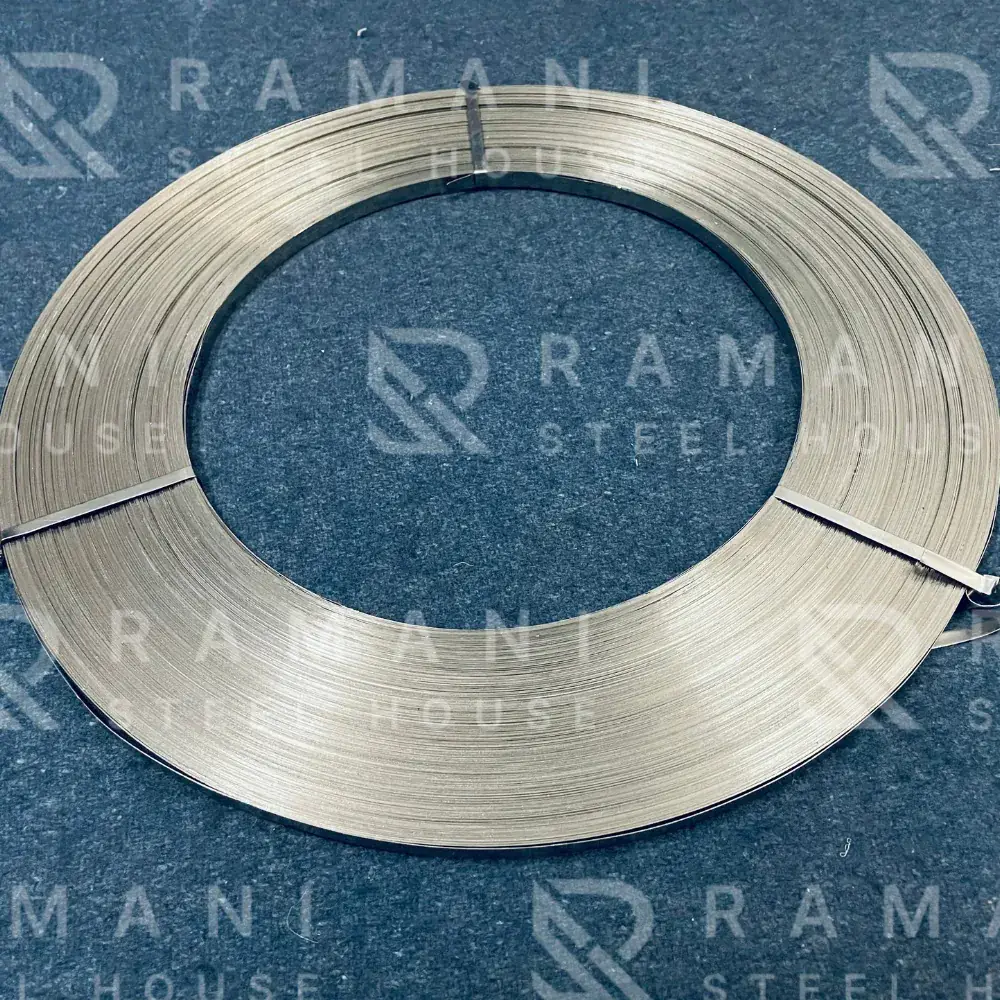
Pure Nickel
Commercially pure nickel in grades 200, 201, N6 and 270, held in Mumbai stock for chemical, chlor-alkali, electrical and battery applications.
Special Stainless Steel
Heat-resistant and specialised corrosion-resistant stainless grades for furnace, kiln and aggressive chemical environments.
6Mo Stainless Steel
Super-austenitic 6-molybdenum stainless steel for seawater, desalination and high-chloride duty where 316L is not sufficient.
Forms supplied
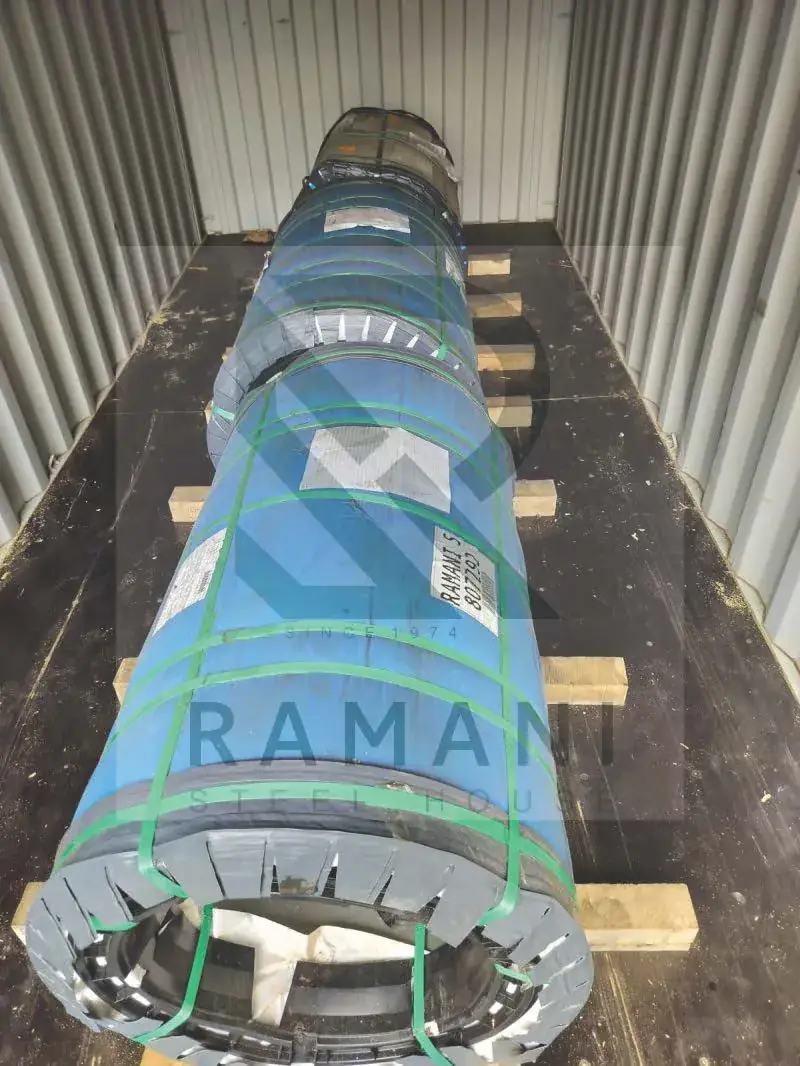
Sheets, Plates, Coil, Round Bars, Flat Bars, Pipes, Tubes, Wires, Precision Strip Coils.
Processing
Stamping, Punching, Laser Cutting, Waterjet Cutting, Slitting, Shearing, Band Saw Cutting.
Chemical — frequently asked
- How do I choose between Hastelloy C276, C22 and Incoloy 825?
- Start with whether the process is oxidising or reducing. C276, with more molybdenum, is stronger in reducing acids; C22, with more chromium, is stronger in oxidising media and oxidising chlorides. Incoloy 825 handles sulphuric and phosphoric acids in moderate conditions at considerably lower cost. Send the full process chemistry, temperature and concentration.
Get pricing
Chemical enquiry
Tell us the grade, form and quantity, or describe the service conditions and we will suggest options.